
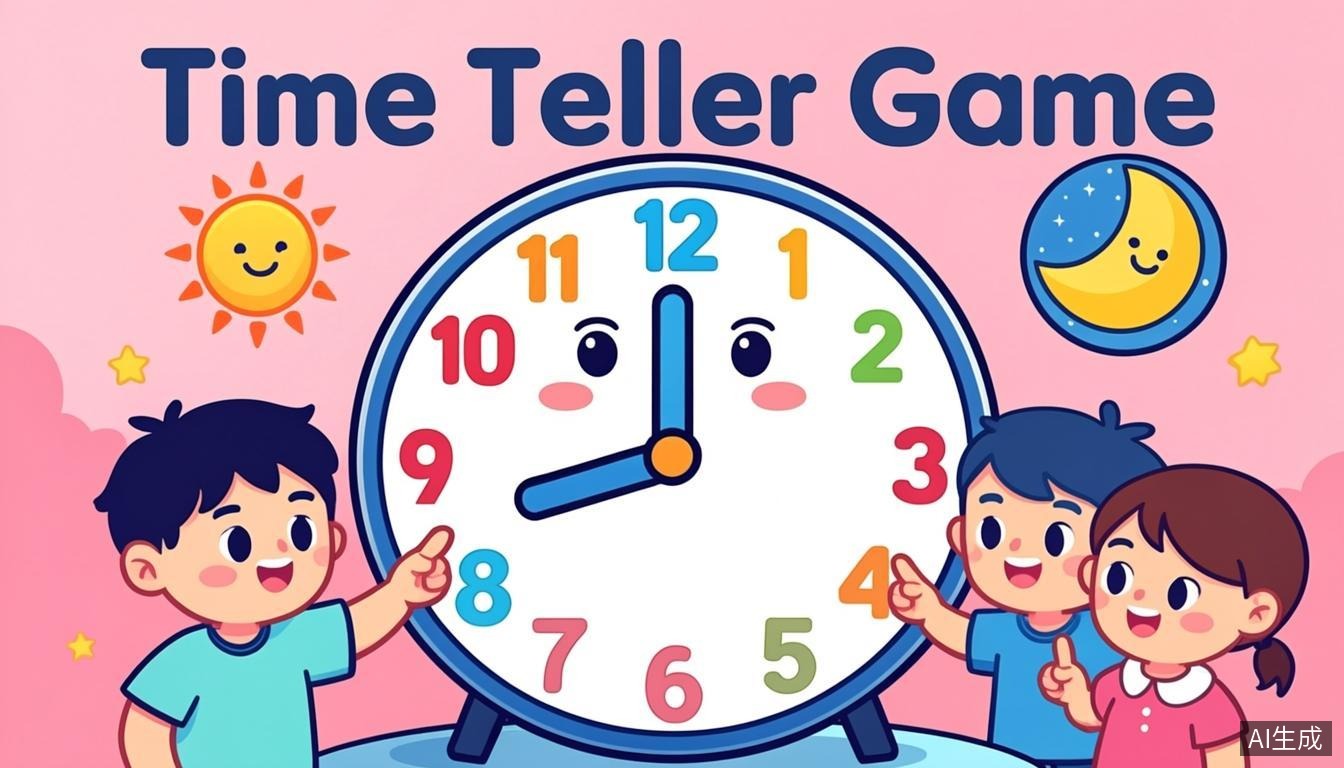
Telling Time: Mastering the Clock
Time is a constant part of our daily lives, and learning to read a clock is a vital milestone for young learners. Understanding the difference between the hour hand and the minute hand is the first step in mastering this essential skill. The short hour hand tells us the hour, while the long minute hand counts the minutes past the hour. Breaking the clock down into quarters—such as “quarter past” and “quarter to”—helps make the concept of minutes easier to grasp. Learning to tell time isn’t just about numbers; it’s about managing your day. It helps children understand the passage of time, from the duration of their favorite TV show to knowing when it is time for lunch or bed. By practicing with both analog and digital formats, students build a strong foundation for time management. This skill fosters independence and responsibility, allowing kids to follow schedules and be punctual. With practice, reading a clock becomes second nature, turning a complex concept into a simple, daily habit.
Listen to the time, then pick the right clock!
Elementary Level · Listening📖How to Tell Time in English
Telling time is one of the most useful skills in English! When we look at a clock, we use special phrases to say the time. For times at the top of the hour, we say “It’s three o’clock” or “It’s seven o’clock.” For half-past times, we say “It’s half past two” which means 2:30. When the minute hand is on the 6, we can also say “It’s two thirty.” For quarter past, like 3:15, we say “It’s quarter past three.” And for quarter to, like 8:45, we say “It’s quarter to nine.” Learning these phrases helps you understand schedules, catch buses, and be on time for everything!
Ready to Listen?
10 questions · Listen to the time, pick the correct clock
📋 How to Play
- Press the “Listen” button to hear a time spoken aloud.
- Look at the 4 clock faces and choose the correct one.
- You can press “Listen” again to hear it twice!
- Each correct answer earns +10 points.
- Build a streak for bonus encouragement!
- Try to earn all 3 stars at the end!
Press the button to hear the time, then pick the matching clock!
Tap to hear the time spoken aloud
📝 Answer Review
THE COMPLETE GUIDE TO ENGLISH GRAMMAR: RULES, COMMON MISTAKES & PROVEN LEARNING STRATEGIES
English grammar can feel complex, full of exceptions, and difficult to apply naturally — even for fluent learners. Many students struggle with verb tenses, sentence structure, prepositions, articles, and mixing up informal vs formal grammar rules.
The good news is that grammar mastery improves with clear rules and structured practice. This guide explains essential grammar principles, common learner errors, visual learning methods, and expert‑backed strategies for kids, adults, ESL students, and exam‑focused learners.
Whether you want to write error‑free sentences, ace grammar tests, help your child master basic rules, or speak with confident natural grammar, this page provides simple, effective techniques that stick long‑term.
Table of Contents
Toggle






Leave a Reply